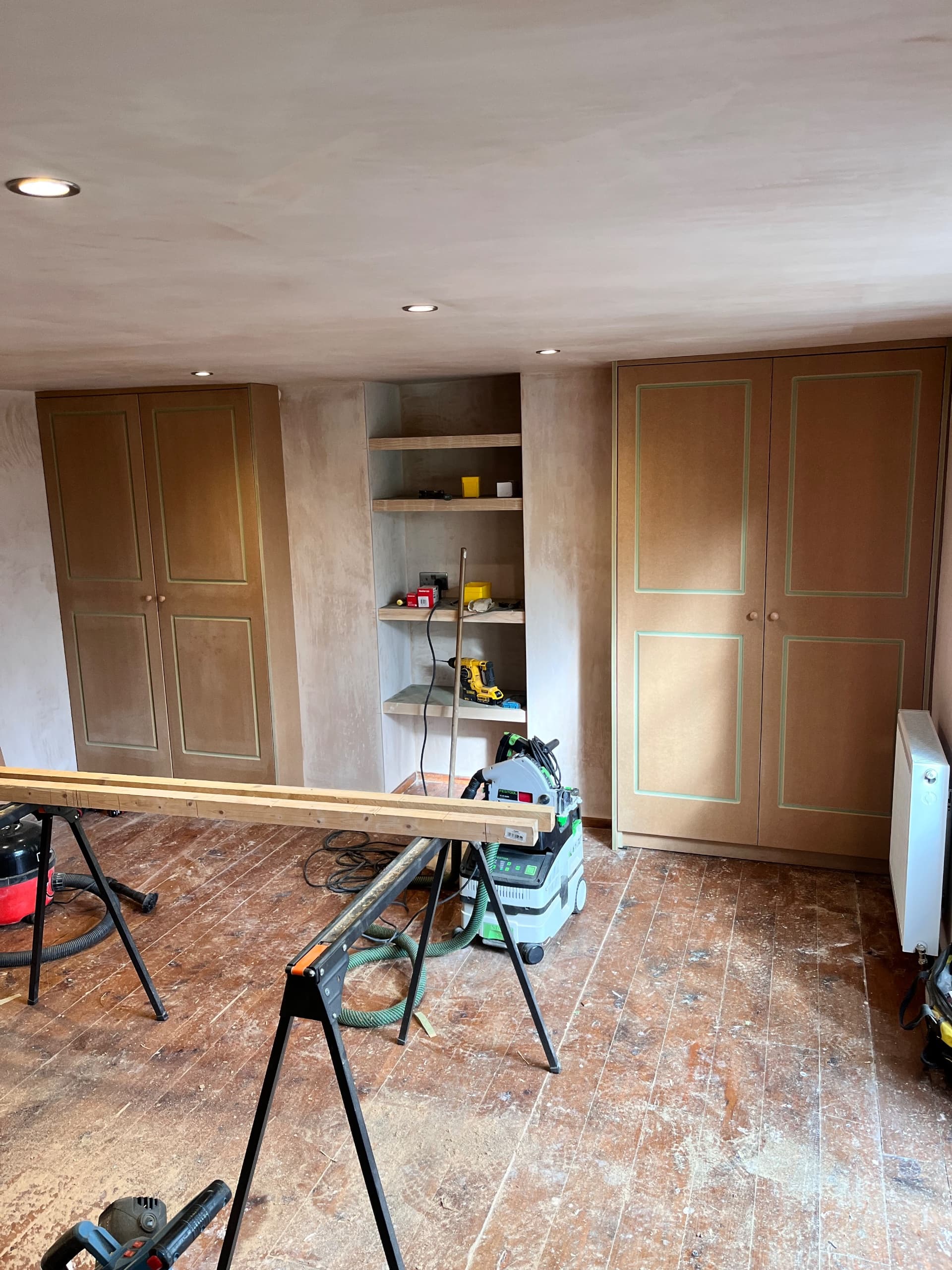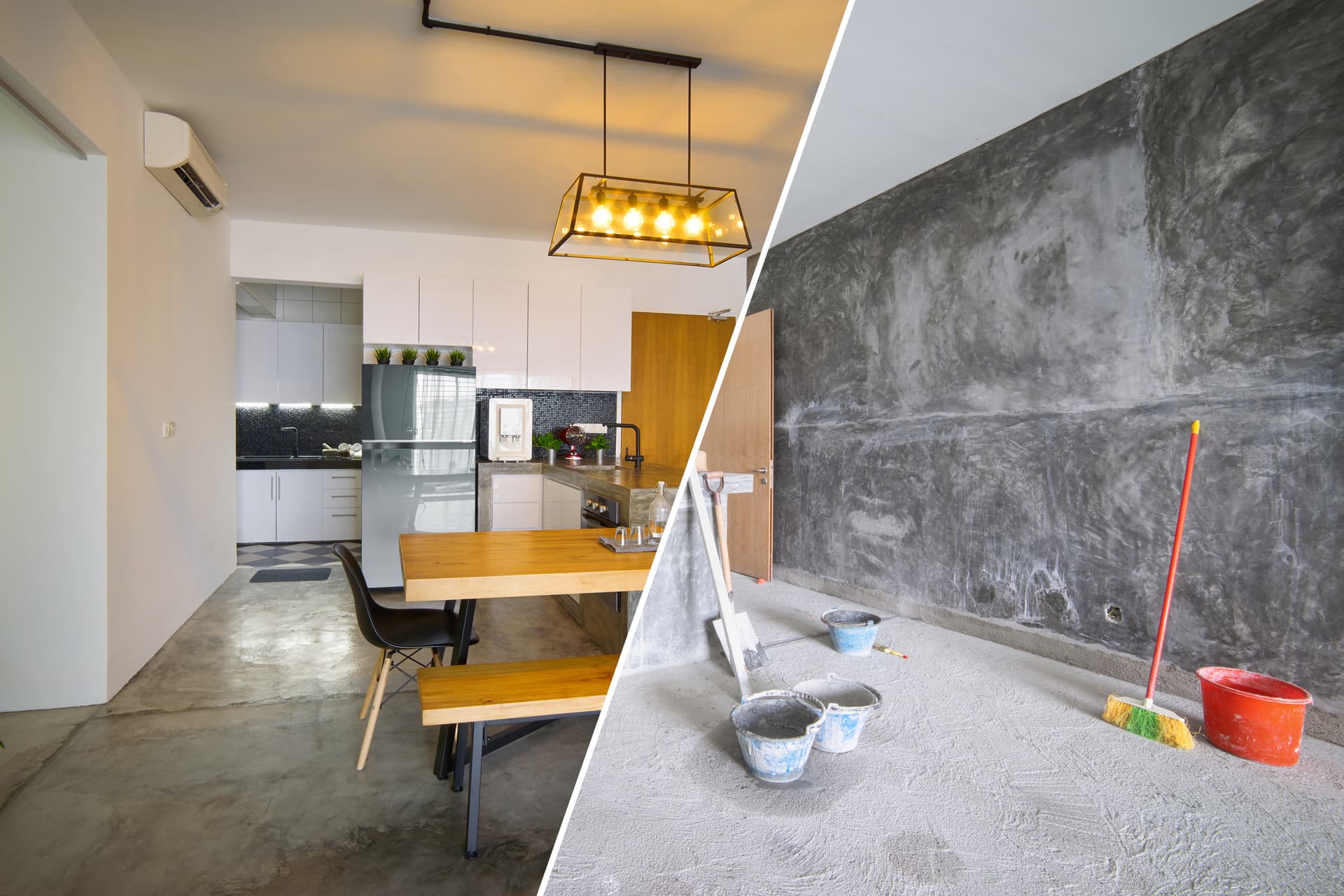
What affects the cost of refurbishment services? Key factors for Bristol homeowners
By Ian

What Affects the Cost of Refurbishment Services in Bristol and Surrounding Areas
If you are planning a refurbishment, understanding what affects the overall cost can help you define the right scope, compare quotations and plan your budget with greater confidence.
Every property and project is different. A straightforward refresh will have very different requirements from a complete refurbishment involving new layouts, bespoke joinery and multiple trades. This guide explains the main factors that can influence refurbishment costs, with practical considerations for properties across Bristol and surrounding areas.
Project Scope and Complexity
The size and complexity of the work is usually one of the biggest influences on the overall cost. A simple redecoration project is very different from a full refurbishment involving kitchen installation, structural alterations and extensive joinery.
Factors that can increase the scope include:
Removing walls or creating new openings, which may require specialist structural advice and additional preparation.
Full kitchen installations involving removal of the existing kitchen, new cabinetry, plumbing, electrical work, tiling and finishing.
Reconfiguring rooms or layouts, which can involve additional building work and coordination between different trades.
Bespoke joinery, where individual components are designed and made specifically for the property.
Tip: Define your requirements as clearly as possible before requesting quotations. A detailed brief makes it easier to understand what is included and compare different proposals.
Property Type and Access
The type of property and how easily the work can be accessed can also affect the cost and timescale.
A Victorian terrace with narrow staircases and limited parking can present very different logistical challenges from a modern semi-detached property with easy access.
Consider:
Upper-floor work where materials and equipment need to be carried through the property.
Flats with restricted access, lift limitations or building management requirements.
Narrow streets or properties with limited parking and delivery access.
Period and older properties that may require more careful preparation and specialist attention.
Tip: Mention any access, parking or delivery restrictions during the initial survey. Understanding these factors early helps create a more realistic quotation and programme.
Hidden Issues and Existing Conditions
Older properties can sometimes reveal unexpected issues once work begins. Problems that are concealed behind walls, floors or existing finishes can affect both the scope and cost of a refurbishment.
Common examples include:
Damaged timber or areas of rot.
Damp or deteriorated plaster.
Outdated plumbing or electrical installations.
Uneven floors or walls requiring additional preparation.
Previous alterations that need correcting or adapting.
Tip: A thorough on-site survey can help identify potential issues before work begins. While not every hidden problem can be predicted, a detailed assessment gives you a much clearer understanding of the project.
Materials, Fixtures and Bespoke Joinery
The materials and finishes you choose can make a significant difference to the overall budget.
There is often a considerable difference between standard off-the-shelf products and bespoke, workshop-made joinery designed specifically for your home.
Your choices may include:
Kitchen cabinetry and worktops.
Timber, doors and fitted furniture.
Tiles and flooring.
Handles, hardware and other finishing details.
Bespoke wardrobes, storage and other fitted joinery.
Tip: Decide where quality matters most to you. Investing in well-made joinery and durable finishes in areas you use every day can make a noticeable difference to the finished project.
Plumbing, Electrical and Other Trades
Many refurbishment projects require more than joinery and decorating. Altering layouts, installing a new kitchen or updating existing spaces may require plumbing, electrical work, plastering, tiling and other finishing trades.
The amount of work required will depend on the existing property and the changes being made.
For example:
Moving a sink or other plumbing connections can require additional pipework.
Changing a kitchen layout may require new electrical points.
Replastering walls can add preparation time before decorating.
New flooring or tiling requires appropriate preparation and installation.
Tip: Make sure these requirements are discussed during the initial survey so the quotation reflects the full scope of the project rather than only the visible work.
Project Management and Timescale
How a refurbishment is organised can have a significant effect on both the experience and the final result.
When several trades are involved, the work needs to be properly sequenced. Joinery, plumbing, electrical work, plastering, tiling and decorating often depend on one another being completed at the right stage.
A well-managed programme helps reduce unnecessary delays and makes it easier for everyone involved to understand what happens next.
Tip: Allow realistic lead times, particularly where bespoke joinery is involved. Good planning before work begins can help avoid unnecessary disruption and additional costs.
Permissions and Approvals
Some refurbishment projects may require planning permission, building control approval or other permissions depending on the property and proposed work.
This can be particularly relevant when:
Structural alterations are proposed.
The property is listed.
The property is within a conservation area.
The project involves significant changes to the building.
Tip: Discuss any proposed structural or significant alterations during the initial planning stage so you can establish whether additional professional advice or approvals may be required.
How to Get an Accurate Refurbishment Quote
To make the quotation process as useful as possible:
Prepare a clear brief outlining what you want to achieve.
Make a list of your priorities, including any must-have features or finishes.
Arrange a free on-site survey so the property, access and existing conditions can be assessed.
Ask for a detailed quotation that clearly explains the proposed work and what is included.
Discuss the expected programme and how the different stages of the project will be coordinated.
Confirm who your main point of contact will be throughout the refurbishment.
Pacific Joinery Ltd provides free on-site surveys and quotations across Bristol and surrounding areas. Our team coordinates the different stages of refurbishment projects, giving customers one trusted point of contact from the initial survey through to completion.
Final Thoughts
The cost of a refurbishment depends on several factors, including the scope of work, property type, access, existing conditions, materials, bespoke joinery and the number of trades involved.
The best way to understand the likely cost is to start with a clear brief and an on-site survey. This gives you and your contractor the opportunity to discuss the property, identify the work required and establish a realistic quotation and programme.
Pacific Joinery Ltd provides joinery, kitchen installation and refurbishment services across Bristol and surrounding areas. From preparation and joinery through to plumbing, electrical work, plastering, tiling and decorating, we coordinate the different stages of the project so you have one trusted point of contact throughout.
For a free, no-obligation on-site survey, call 07886 928747 or email ian.pacificjoineryuk@icloud.com.