How Long Does a Full Refurbishment Take?
By Pacific Joinery Ltd
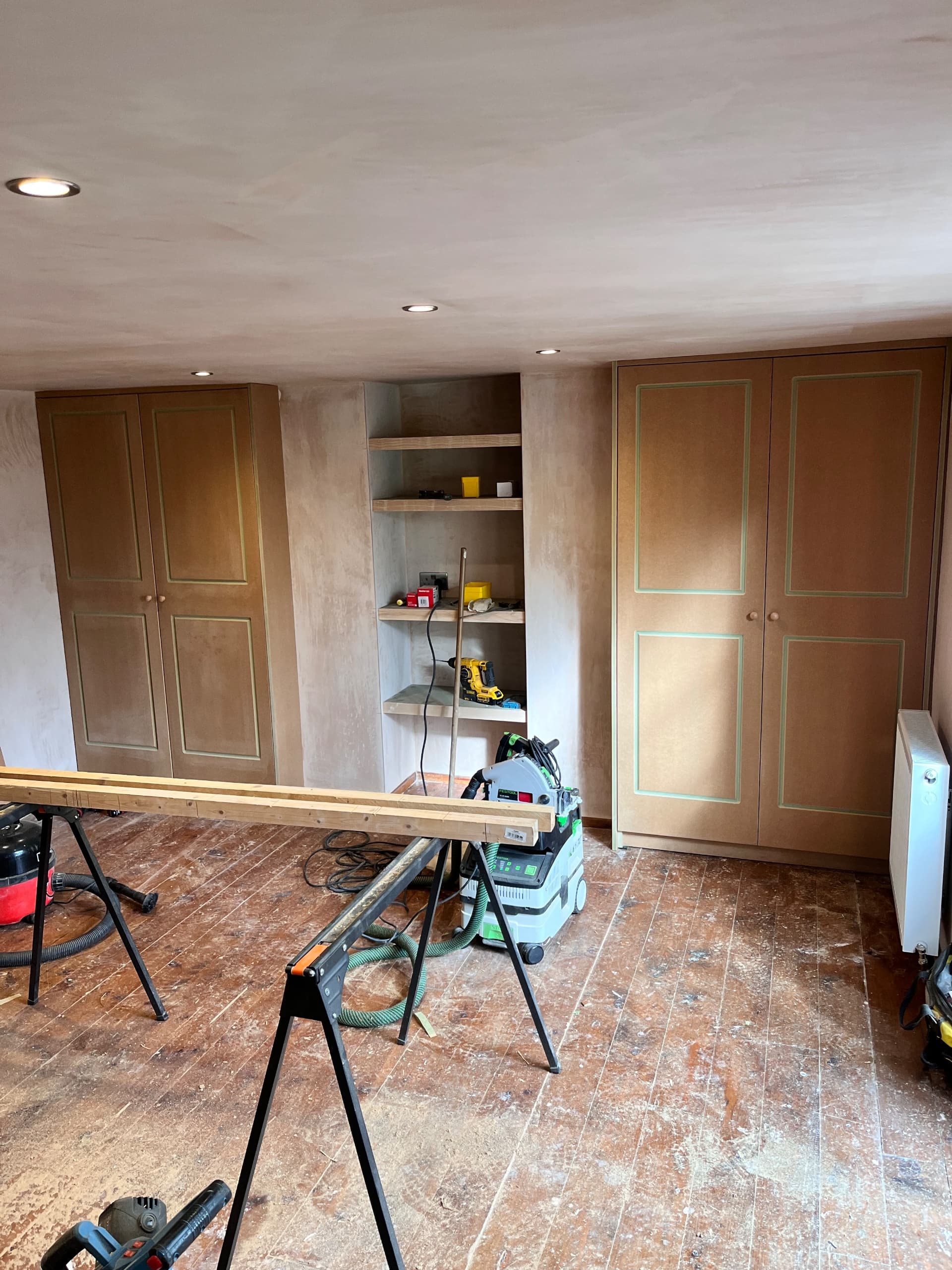
A refurbishment timeline is shaped by how the home is built and used, not just by how many rooms are involved. Two projects involving similar work can take different amounts of time if one has clear access and settled plans, while the other needs repairs or decisions as work progresses.
For homeowners in Bristol and Kingswood, it helps to look at the factors that can change the sequence of work. That gives you a more useful basis for planning than relying on a broad estimate before the property and proposed work are understood.
The property sets the starting point
The condition beneath visible finishes matters. Once old fittings, floor coverings or wall finishes are removed, the surfaces and structures behind them can be inspected. If they are sound, work can move on to the planned next stage. If they need attention, the planned work may need to change before new finishes go in.
This is one reason a refurbishment programme should allow for a clear distinction between planned work and issues that cannot be confirmed until an area is opened up. Ask how any newly discovered work would be discussed, agreed and reflected in the programme. That conversation is more useful than assuming every hidden surface will match what can be seen during an initial visit.
The layout also matters. Keeping rooms in their current arrangement generally involves different tasks from changing how spaces connect or where fittings sit. Where a change affects more than one part of the home, the related work needs to be understood together. A decision about one room can have knock-on effects elsewhere, particularly if it changes what needs to be removed, prepared or put back.
Access and occupation affect the working sequence
Think about how people, materials and removed items will move through the property. In a Bristol terrace or a home around Kingswood, the route from the entrance to the work area may shape how materials are brought in and how waste is taken out. Restricted access can affect the order of tasks and the practical amount of work that can happen at once.
Living in the property during the refurbishment can also influence the sequence. If you need to keep using a kitchen, bathroom or route through the home, work may need to be arranged around that. Be clear about which spaces must remain usable and when. Without that information, a programme may not reflect the everyday limits of the household.
Decisions can hold up work already in progress
Some choices affect only appearance. Others determine what can be fitted, where it goes, or what preparation is required. If a decision is left open until a related task is ready to start, the next stage may have to wait or be rearranged.
Before work begins, try to settle choices that determine dimensions, fittings and finishes. If you are still comparing options, identify what information you need and when the choice must be made. Ask which decisions have to be confirmed early and which can reasonably wait. This keeps the programme connected to real dependencies rather than treating every choice as equally urgent.
Look at how each stage affects the next
Refurbishment tasks follow an order. A surface usually needs to be prepared before it receives a finish, and work that would damage a completed area needs to happen earlier. Where several trades are involved, their tasks can depend on one another. A delay at an early stage can therefore affect later work, even if the original task seems small.
When discussing a proposed timeline, ask what the key stages depend on, which areas will be unavailable and what could change the sequence. A useful programme makes those relationships understandable. It should also leave room to discuss findings that only become visible once work starts, rather than presenting an uncertain detail as settled.
What you can do before requesting a timeline
Make a room-by-room list of what you want changed, what must stay, and any areas that need to remain accessible. Note known problems such as previous repairs or finishes that are already damaged. Share how you use the home and whether you will be living there during the work.
Bring any plans, measurements or product choices you already have, but flag anything that is still undecided. The aim is not to diagnose the building yourself. It is to give a clear picture of your priorities and constraints so the planned work can be discussed in light of the actual property.
There is no reliable single duration for every full refurbishment. The most useful timeline is one based on the work required, the home's condition, practical access and decisions that affect the sequence. If you are planning a project in Bristol or nearby, talk with Pacific Joinery Ltd about your property and the changes you have in mind. You can read more about our Refurbishment Services before getting in touch.